 Save
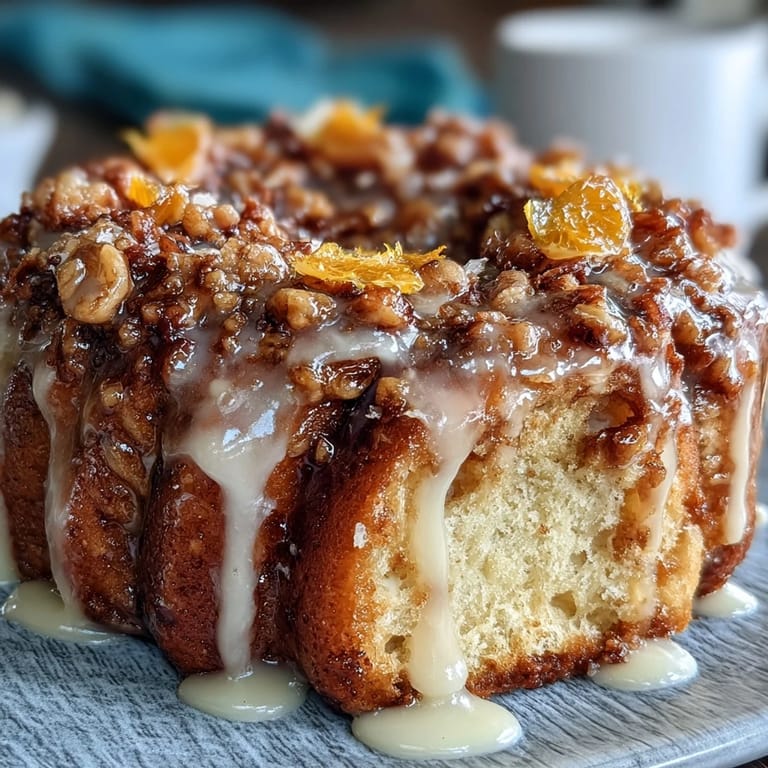
Save My kitchen smelled like a citrus grove the morning my neighbor dropped off a bag of fresh oranges from her tree, and I knew immediately what I'd make with them. There's something magical about overnight rolls—you do the real work when you have energy, then wake up to the smell of them baking while you're still in your pajamas. These orange-infused rolls became my answer to hosting brunch without the stress, and honestly, they've ruined me for store-bought cinnamon rolls forever. The fresh zest in the dough and filling transforms something familiar into something that tastes like you spent hours fussing when really, most of the work happened while you slept.
I made these for my sister's birthday breakfast, and watching her face when she bit into one—that moment when she closed her eyes and just savored it—made every step worth it. She kept asking how I got them so soft and why they tasted nothing like regular cinnamon rolls, and I realized that's exactly why this recipe matters to me now.
Ingredients
- All-purpose flour (3 1/2 cups): This is your foundation, and measuring it properly by spooning and leveling makes a real difference in texture.
- Granulated sugar (1/4 cup for dough, 1/2 cup for filling): Sugar feeds the yeast and creates that tender crumb, so don't skip it even if you're sugar-conscious about breakfast.
- Instant dry yeast (2 1/4 tsp): Check your expiration date before starting—dead yeast is the silent saboteur of bread baking, and I learned this the hard way.
- Salt (1/2 tsp): This controls yeast activity and deepens flavor, so measure it carefully and don't omit it thinking it won't matter.
- Whole milk, lukewarm (3/4 cup): Lukewarm means around 110°F—too hot kills yeast, too cold and it won't activate, so use your pinky finger to test if you don't have a thermometer.
- Unsalted butter, melted (1/4 cup for dough) plus softened (1/4 cup for filling): Melted butter binds the dough while softened butter spreads easier for the filling.
- Large eggs, room temperature (2): Cold eggs won't incorporate smoothly, so pull them from the fridge 30 minutes before baking.
- Fresh orange zest (zest of 3 oranges total): This is where the magic lives—zest from 2 oranges goes in the dough, 1 in the filling, plus more for the glaze, so get a microplane and don't be shy with it.
- Powdered sugar (1 cup for glaze): This creates that silky, drizzle-able topping that catches light and looks intentional.
- Fresh orange juice (2–3 tbsp for glaze): Freshly squeezed tastes noticeably brighter than bottled, though bottled works in a pinch.
Tired of Takeout? 🥡
Get 10 meals you can make faster than delivery arrives. Seriously.
One email. No spam. Unsubscribe anytime.
Instructions
- Combine your dry ingredients:
- In a large bowl, whisk together the flour, sugar, yeast, and salt, making sure the yeast doesn't clump and gets distributed evenly throughout the flour. This dry mix is your blank canvas, so take a breath and do it right.
- Prepare the wet mixture:
- In another bowl, pour the lukewarm milk, then add melted butter, eggs, and your 2 oranges worth of zest—the zest will bloom and perfume everything as you stir. The wet ingredients should look fragrant and slightly thick from all that zest.
- Bring dough together:
- Pour the wet mixture into the dry ingredients and mix with a wooden spoon or your hands until a shaggy, sticky dough forms. Don't worry if it looks rough—you're about to knead the life into it.
- Knead until silky:
- Using a stand mixer with a dough hook or your hands, knead for 7–8 minutes until the dough becomes smooth, elastic, and slightly sticky but no longer shaggy. You'll feel it transform under your hands or hear the mixer settle into a rhythm.
- First rise (the patient wait):
- Grease a large bowl, place your dough inside, cover with plastic wrap, and set it in a warm spot (like on top of the fridge or in a turned-off oven with the light on) for 1–2 hours until it doubles in size. This is a good time to make coffee or do something entirely unrelated to cooking.
- Shape the rolls:
- Punch down the dough to release gas, then roll it out on a lightly floured surface into a 10x16-inch rectangle—don't worry about perfection, just aim for consistency. Spread the softened butter evenly over the dough, then sprinkle with the 1/2 cup sugar and zest of 1 orange, making sure everything reaches the edges.
- Roll and cut:
- Starting from the longer edge, roll the dough tightly like you're making cinnamon rolls, then using a sharp knife or unflavored dental floss (which cuts cleaner than a knife), slice into 12 even pieces. Place each roll cut-side up in a greased 9x13-inch baking dish.
- Overnight chill:
- Cover the baking dish tightly with plastic wrap and refrigerate overnight—this slow rise develops flavor and means you're basically done with active cooking. When you open the fridge in the morning, you'll see they've risen slightly and look ready to bake.
- Room temperature proof:
- Remove the rolls from the fridge and let them sit uncovered at room temperature for 45–60 minutes, until they're puffy and springy to the touch. This final rise is crucial because you're waking them up from their cold sleep.
- Bake until golden:
- Preheat your oven to 350°F while the rolls finish proofing, then bake for 22–25 minutes until the tops are golden brown and the edges look set. You'll smell the orange and butter caramelizing, which is your cue that they're nearly done.
- Make the glaze:
- While the rolls bake, whisk together powdered sugar, fresh orange juice, and zest until you get a smooth, pourable consistency. If it's too thick, add another splash of juice; too thin, add a bit more sugar.
- Glaze and serve:
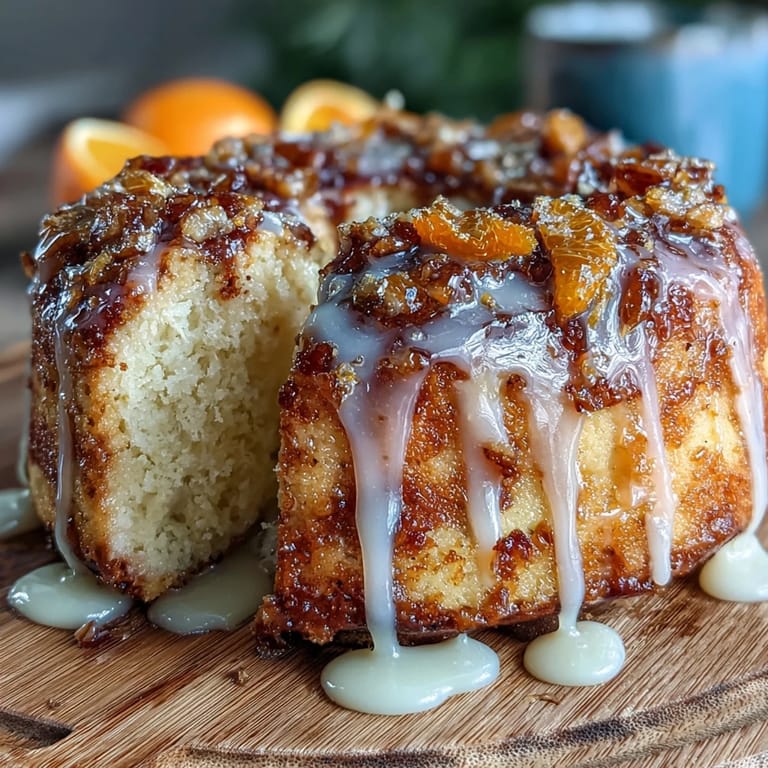
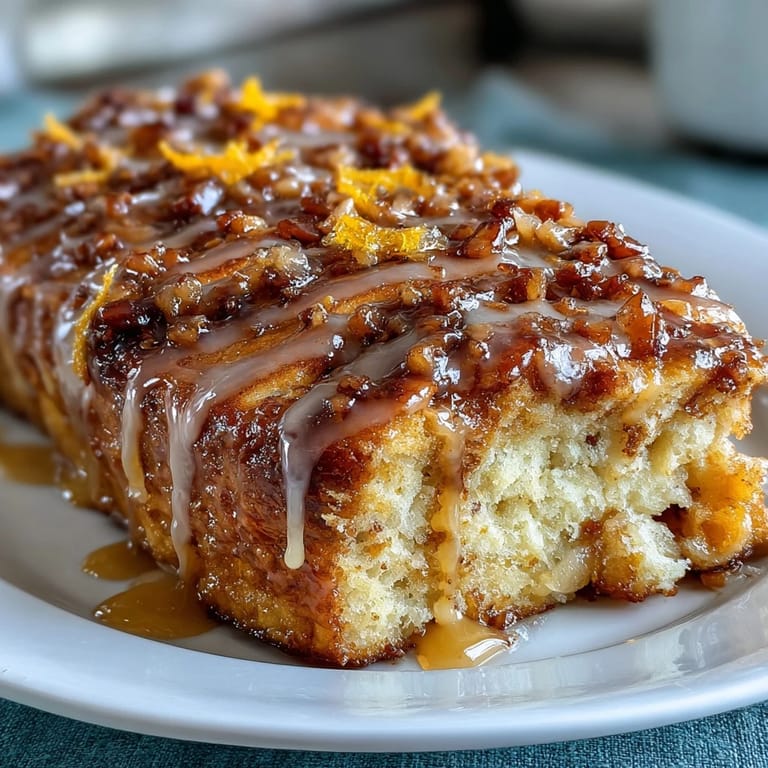
- As soon as the rolls come out of the oven, drizzle the glaze over them while they're still warm so it soaks slightly into the rolls. Serve warm with strong coffee or tea, and watch people's faces light up when they bite in.
 Save
Save There's a particular joy in pulling warm rolls from the oven when someone you love is sitting at your table waiting—it feels like showing them that you care enough to plan ahead, even when the morning feels rushed. These rolls turned ordinary Tuesday mornings into something worth waking up for.
Why Overnight Rising Changes Everything
The beauty of this method isn't just about convenience, though that's definitely part of it. When dough sits in the cold overnight, the yeast works slowly and develops complex flavors that you simply can't rush—the orange zest infuses deeper, the gluten relaxes, and the whole thing becomes more tender and flavorful. It's the difference between a good roll and a roll someone asks you to make again.
Fresh Zest Is Non-Negotiable
I once tried these with bottled orange zest because I was in a hurry, and the rolls tasted flat and one-dimensional—it taught me that this recipe's entire identity depends on fresh citrus. The oils in fresh zest are volatile and bright, while bottled has already given most of its character to the jar it's been sitting in. If oranges aren't available, honestly, make a different recipe rather than compromise here.
Ways to Make Them Your Own
Once you master the base recipe, the possibilities open up in delicious directions. I've added a pinch of cardamom to the filling for warmth, swapped half the milk for fresh orange juice for extra tang, and even topped them with a honey drizzle instead of glaze when I wanted something less sweet. The structure is forgiving enough to play with while still delivering those tender, fragrant rolls that make people happy.
- Add 1/4 teaspoon cardamom to the filling sugar for a subtle spice note that complements orange beautifully.
- Substitute 3/8 cup of milk with fresh orange juice for a tangier, more complex dough.
- Sprinkle fleur de sel on top of the glaze while it's still wet for a sophisticated sweet-and-salty finish.
 Save
Save These rolls remind me why I bake—not for perfection, but for the quiet satisfaction of planning ahead and the joy of serving something warm to people who matter. They're foolproof enough that you'll feel confident, flexible enough that you can make them your own, and delicious enough that you'll make them again and again.
Recipe Questions & Answers
- → How do I prepare the dough for best texture?
Use lukewarm milk and mix wet ingredients thoroughly before incorporating into dry. Knead for 7-8 minutes until smooth and elastic for optimal roll fluffiness.
- → Can I add extra flavor to the filling?
Yes, a pinch of cardamom or cinnamon adds a subtle warmth that complements the orange zest beautifully.
- → What is the purpose of refrigerating the rolls overnight?
Chilling slows fermentation, enhancing flavor and making the dough easier to handle for a morning bake.
- → How should I store leftover rolls?
Keep cooled rolls in an airtight container at room temperature for up to two days or refrigerate for longer freshness.
- → Is there a way to make the glaze more citrusy?
Adding extra fresh orange juice or a touch of lemon juice brightens the glaze without overpowering sweetness.