 Save
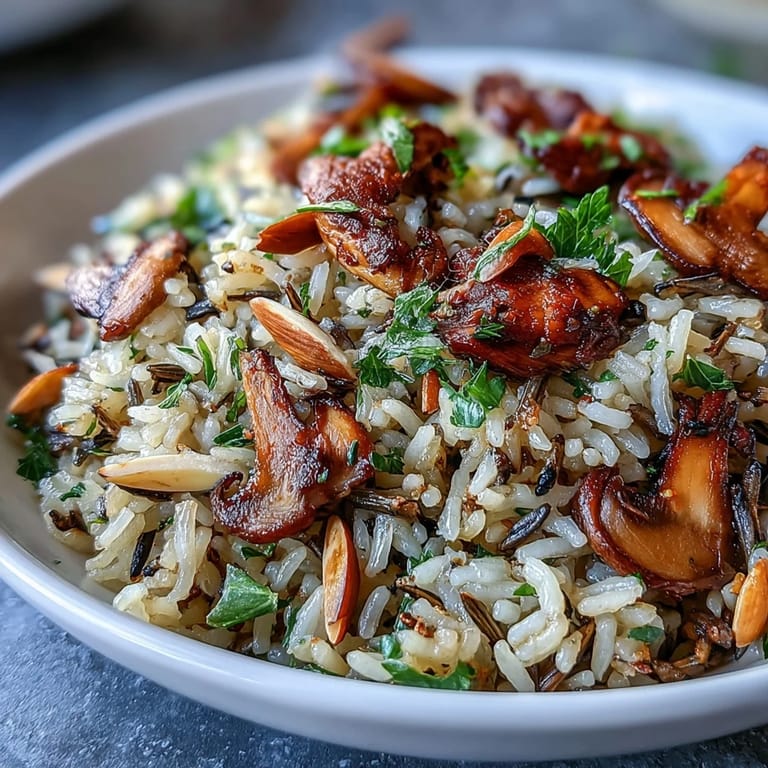
Save There's something about wild rice that feels almost ceremonial, the way it pops and splits as it cooks, releasing this nutty aroma that fills your entire kitchen. I discovered this pilaf one autumn afternoon when I was tired of the same old side dishes and decided to pair wild rice with mushrooms I'd grabbed at the farmers market. The first time I made it, I underestimated how satisfying it would be, and I ended up eating half the batch straight from the pot while standing at the counter. Now it's become my go-to when I want something that feels special but doesn't demand hours of attention.
I remember making this for a dinner party where someone brought their new partner, and I was genuinely nervous about impressing them. The pilaf came together so effortlessly that I actually had time to set a proper table and light candles instead of panicking in the kitchen. When they asked for the recipe, I realized how much I loved a dish that could be humble and elegant at the same time.
Ingredients
- Wild rice: Rinsing it removes surface starch, and the slight chewiness it develops during cooking gives this pilaf real textural depth that regular white rice just can't match.
- Vegetable broth: Low-sodium is crucial here because you'll taste every bit of seasoning you add, and the rice will absorb all that flavor as it cooks.
- Olive oil: Use a good quality one if you have it, since this dish is simple enough that your ingredients really shine through.
- Yellow onion, garlic, and celery: This aromatic trio builds the foundation, creating a savory base that makes the mushrooms taste even more earthy.
- Cremini or button mushrooms: They're forgiving and widely available, but honestly, a mix of different mushroom types will give you more complexity if you're feeling adventurous.
- Carrot and fresh thyme: The carrot adds sweetness and color, while thyme brings that woody, almost herbaceous note that ties everything together.
- Bay leaf: Don't skip this small thing, and remember to fish it out before serving, which I learned the hard way once at a family dinner.
- Fresh parsley and optional almonds: These finish the dish with brightness and crunch that makes it feel intentional rather than one-note.
Tired of Takeout? 🥡
Get 10 meals you can make faster than delivery arrives. Seriously.
One email. No spam. Unsubscribe anytime.
Instructions
- Start the rice:
- Bring the wild rice, broth, and water to a boil in a medium saucepan, then lower the heat and cover it tightly. Let it simmer undisturbed for 40 to 45 minutes, until the grains are tender and have split slightly at the edges, releasing that wonderful nutty smell.
- Sauté your aromatics:
- While the rice cooks, warm olive oil in a large skillet over medium heat and add the onion, celery, and carrot, stirring occasionally until they've softened and started to turn golden. This usually takes about 5 to 6 minutes, and you'll notice the kitchen starting to smell like a proper dinner is happening.
- Cook the mushrooms:
- Add minced garlic and sliced mushrooms to the skillet and let them cook for 6 to 8 minutes, stirring now and then so they brown evenly and release their moisture. You'll know they're ready when they've turned golden and stopped looking wet, which is when they develop real depth of flavor.
- Season and infuse:
- Stir in the fresh thyme and bay leaf along with salt and pepper to taste, letting everything cook together for just another minute so the thyme releases its oils. Remove the bay leaf before moving forward, since it's done its job and nobody wants to bite into it.
- Bring it together:
- Once the rice is cooked and cooled slightly, gently fold it into the mushroom mixture using a wooden spoon, being careful not to crush the rice grains. Taste as you go and adjust the seasoning, since wild rice can be forgiving and will accept a little extra salt or pepper if needed.
- Finish and serve:
- Transfer everything to a serving dish, scatter fresh parsley over the top, and add toasted almonds if you're using them for that extra touch of richness. Serve it warm, and watch how quickly it disappears from the table.
 Save
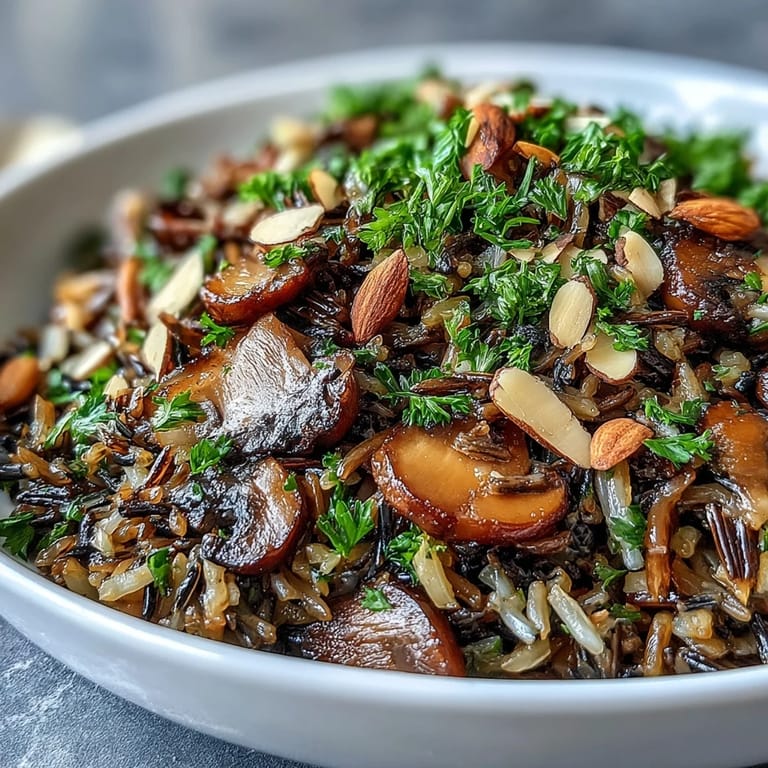
Save There's a moment near the end of cooking when you remove the lid from the rice and the steam rises up, and you realize how much better this smells than any shortcut or box mix ever could. That's when this dish stopped being just a recipe for me and became something I looked forward to making again and again.
Making It Your Own
Once you've made this pilaf a few times, you'll start seeing where you can bend it to your mood and what's in your pantry. I've added a splash of dry white wine when sautéing the mushrooms on nights when I wanted more depth, and I've swapped in half brown rice on occasions when I didn't have enough wild rice on hand. The beauty of this dish is that it's forgiving enough to welcome your experiments while still tasting intentional and complete.
Timing and Prep Strategy
The smart move with this pilaf is to get everything chopped and ready before you start cooking, so you're not rushed when the rice comes to a boil. I usually chop the vegetables while my water heats, and by the time I need them, they're already waiting on a cutting board. This recipe is genuinely easy once you understand that the bulk of the cooking time is just the rice doing its thing in a covered pot while you handle the mushrooms and aromatics on the side.
Serving and Pairing Ideas
This pilaf works beautifully next to roasted chicken or as the main event for vegetarians, and it's also one of those dishes that tastes just as good the next day, either reheated gently or served at room temperature. I've served it alongside salmon, pork chops, and alongside nothing but a simple salad, and every version felt satisfying.
- Make it ahead and reheat it gently in a skillet with a splash of broth to refresh the texture.
- Layer it into a grain bowl with roasted vegetables and a sauce for a completely different experience.
- Toast some extra almonds and scatter them on top just before serving for maximum crunch and impression.
 Save
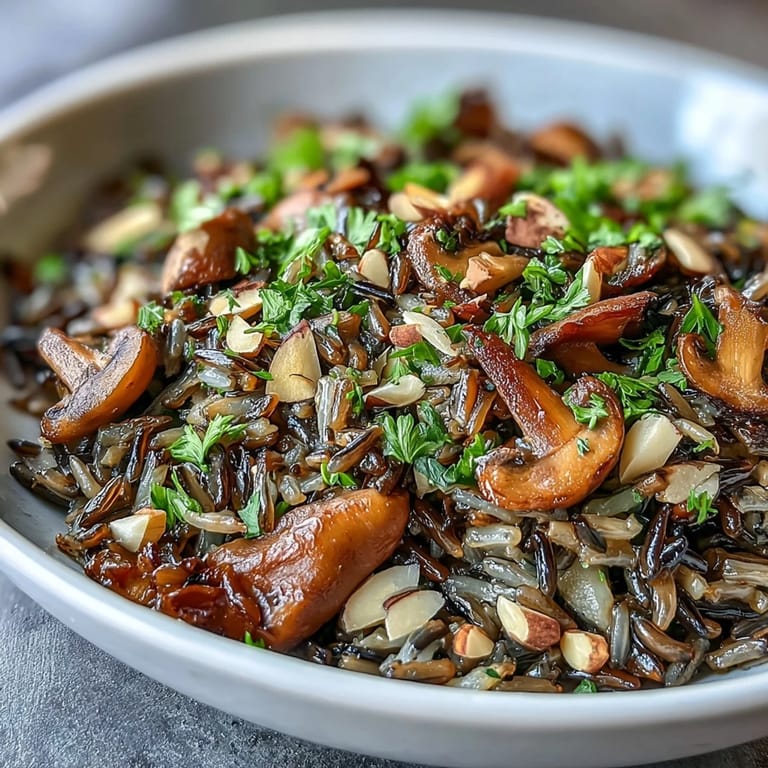
Save This wild rice and mushroom pilaf has become the kind of dish I make when I want to feel like I'm cooking something that matters, even on ordinary weeknights. It's nourishing, unfussy, and tastes like you actually tried, which is everything a good recipe should be.
Recipe Questions & Answers
- → Do I need to rinse wild rice before cooking?
Yes, rinsing wild rice removes any debris and helps achieve the best texture. Place the rice in a fine-mesh sieve and rinse under cold water until the water runs clear before adding it to the pot.
- → Can I use other types of mushrooms?
Absolutely. While cremini or button mushrooms work beautifully, you can substitute with shiitake for extra umami, oyster mushrooms for delicate texture, or a mix of wild mushrooms for more complex flavor.
- → How do I know when wild rice is done cooking?
Wild rice is properly cooked when the grains have burst open revealing the white interior, and they're tender but still retain a slight chew. The texture should be nutty rather than mushy.
- → Can I make this pilaf ahead of time?
Yes, prepare the pilaf up to two days in advance. Store in an airtight container in the refrigerator and reheat gently on the stovetop with a splash of broth or water to refresh the grains.
- → What can I serve with wild rice pilaf?
This pilaf pairs wonderfully with roasted chicken, turkey, or pork tenderloin. It also complements grilled fish or serves as a hearty main alongside a crisp green salad and crusty bread.
- → Is wild rice gluten-free?
Wild rice is naturally gluten-free, making this dish suitable for those avoiding gluten. Just ensure your vegetable broth is certified gluten-free to maintain this dietary accommodation.