 Save
Save My neighbor once told me the trick to perfect cacio e pepe is in the wrist. She wasn't wrong. The first time I tried it, I stirred too timidly and ended up with clumpy cheese strands instead of silk. Now, every time I make it, I think of her standing in my kitchen, shaking her head and laughing while she showed me how to toss pasta like I meant it.
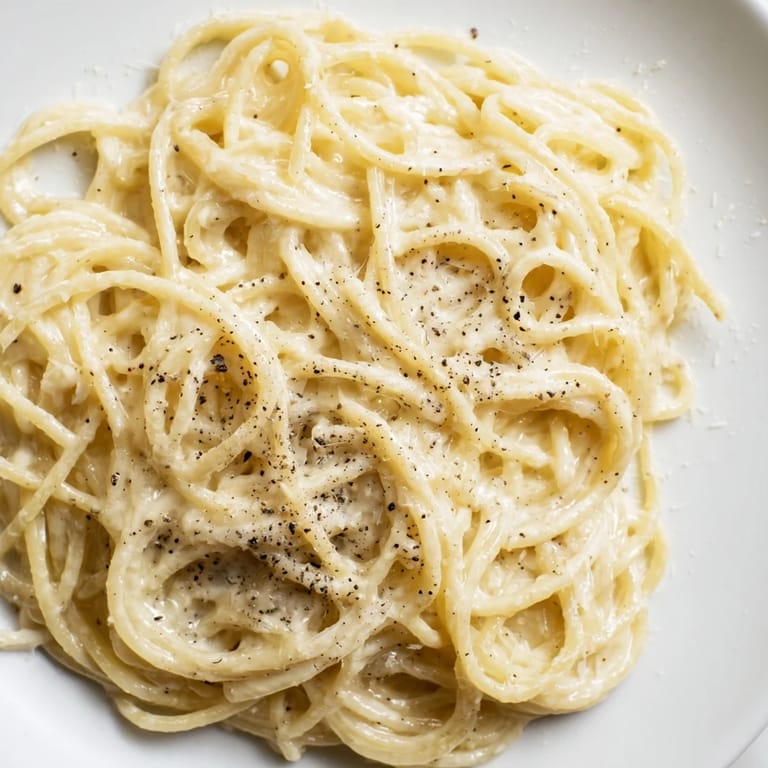
I made this on a Tuesday night when I had nothing planned and even less energy. The steam rising from the pot, the sharp smell of toasted pepper, the way the cheese melted into glossy strands, it all felt like a small rescue. My husband walked in, took one bite, and asked why we ever order pasta out. I didn't have an answer.
Ingredients
- Spaghetti (400 g): The long strands grab onto the sauce better than short pasta, and cooking it just until al dente gives you the perfect chew and enough starch in the water to build the sauce.
- Pecorino Romano cheese (120 g, finely grated): This salty, tangy sheep's milk cheese is the heart of the dish, and grating it fresh makes all the difference because pre-grated stuff won't melt the same way.
- Freshly cracked black pepper (2 tsp, plus extra): Toasting it in the pan wakes up its flavor and fills the kitchen with a smell that makes you hungry before you even start eating.
- Salt: For the pasta water, which should taste like the sea so your noodles have flavor from the inside out.
Tired of Takeout? 🥡
Get 10 meals you can make faster than delivery arrives. Seriously.
One email. No spam. Unsubscribe anytime.
Instructions
- Boil the pasta:
- Bring a large pot of salted water to a rolling boil, drop in the spaghetti, and cook it until it still has a little bite, saving a full cup of that cloudy, starchy water before you drain. That water is liquid gold for your sauce.
- Toast the pepper:
- While the pasta cooks, add the black pepper to a large skillet over low heat and let it sizzle for a minute or two until it smells warm and woodsy. Don't walk away or it'll burn.
- Add pasta water to pepper:
- Pour about half a cup of the hot pasta water into the skillet with the toasted pepper and let it bubble gently. This starts building the base of your sauce.
- Toss in the spaghetti:
- Add the drained spaghetti to the skillet and toss it around so every strand gets coated in that peppery, starchy water. Use tongs and don't be shy.
- Add the cheese:
- Turn the heat to the lowest setting, then sprinkle in the Pecorino a handful at a time, tossing constantly and adding splashes of reserved pasta water until the cheese melts into a creamy, clingy sauce. Move fast and keep everything moving or the cheese will seize up.
- Serve hot:
- Plate it immediately, then shower it with more cheese and a few extra cracks of pepper. This dish waits for no one.
 Save
Save The night I finally got it right, I sat at the table with a bowl in my lap and ate in silence, twirling forkfuls and feeling ridiculously proud. My daughter wandered in, stole a bite, and said it tasted like the pasta we had in Rome last summer. I hadn't told her that's exactly what I was trying to recreate.
Choosing Your Cheese
Pecorino Romano is traditional and brings that sharp, salty punch that defines cacio e pepe, but if it's too strong for you or you can't find it, Parmigiano Reggiano works in a pinch and gives you a milder, nuttier flavor. I've even mixed the two when I wanted something in between. Just make sure whatever you use is freshly grated, because the pre-shredded stuff has anti-caking agents that will ruin your sauce.
Getting the Texture Right
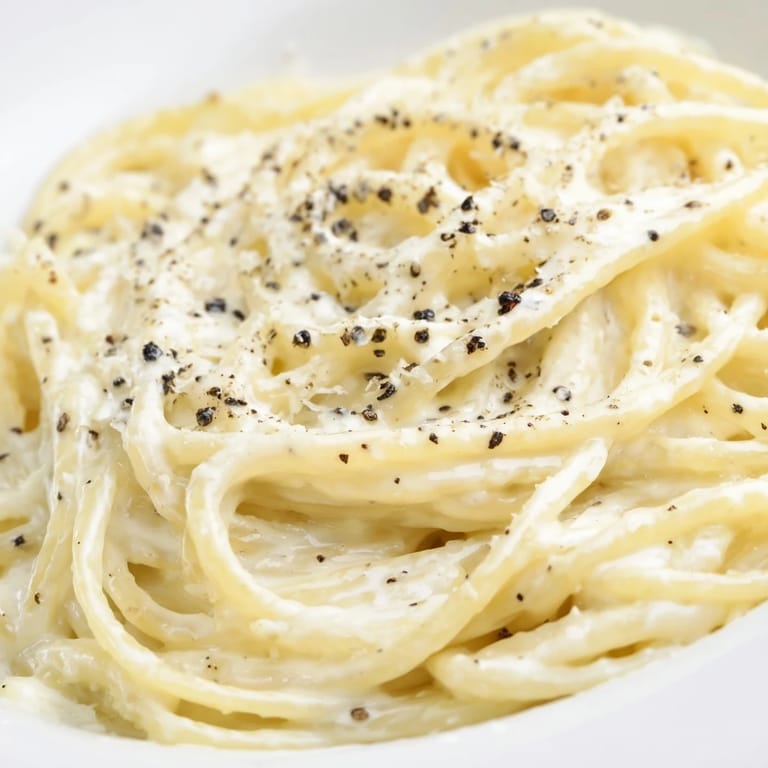
The sauce should cling to the pasta like a silky glove, not pool at the bottom of the bowl or look dry and broken. If it's too thick, add pasta water a tablespoon at a time while tossing. If it's too loose, let it sit off the heat for a minute and it'll tighten up as it cools. I learned this after serving soupy pasta one too many times and pretending it was intentional.
Serving and Storing
Cacio e pepe is best eaten the moment it's done, straight from the pan if you're feeling casual, because the sauce can stiffen as it cools and reheating never quite brings back that creamy magic. If you do have leftovers, store them in the fridge and reheat gently in a pan with a splash of water or milk, stirring constantly.
- Serve it in warm bowls so the sauce stays loose and glossy.
- Pour yourself a glass of crisp white wine like Vermentino or Pinot Grigio to cut through the richness.
- Don't skip the extra pepper on top, it's not just garnish, it's part of the experience.
 Save
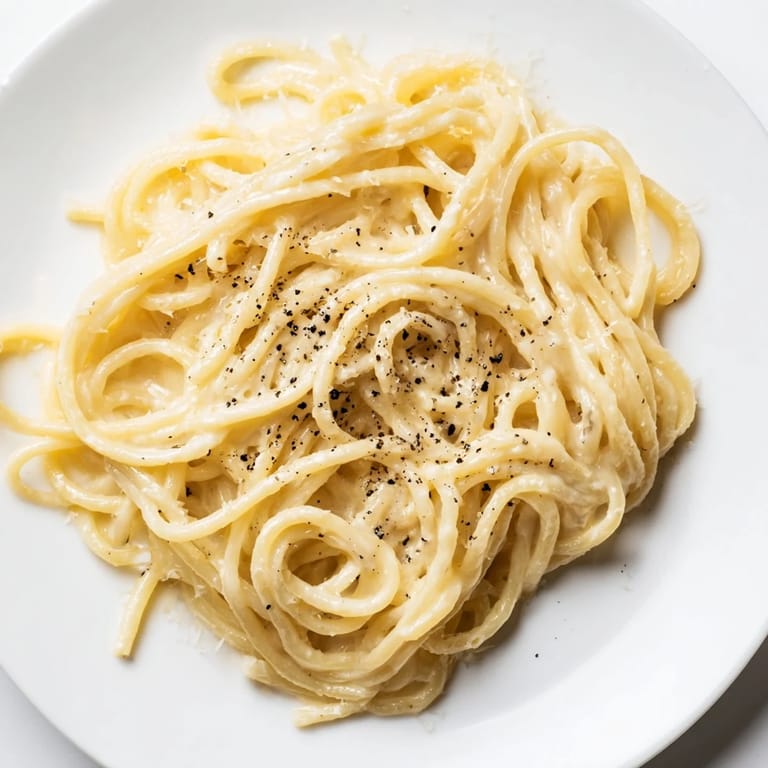
Save Now when I make this, I don't measure anything anymore, I just go by feel and taste. It's become one of those dishes that reminds me that the best meals don't need to be complicated, they just need to be made with a little attention and a lot of hunger.
Recipe Questions & Answers
- → Why is my cheese clumping instead of creating a creamy sauce?
Cheese clumping occurs when the temperature drops too quickly or when you add cheese too fast. Keep the mixture warm and add cheese gradually while stirring vigorously. The starch in the reserved pasta water helps create the emulsion that keeps cheese smooth and creamy.
- → Can I use Parmigiano Reggiano instead of Pecorino Romano?
Yes, Parmigiano Reggiano works as a substitute, though it produces a milder, less salty flavor. Pecorino Romano's sharper, saltier profile is traditional and creates the authentic taste. You can also blend both cheeses for a balanced flavor.
- → What type of black pepper should I use?
Always use freshly cracked black pepper rather than pre-ground. Freshly cracked pepper has superior flavor and aroma that toasting further amplifies. Grind whole peppercorns coarsely just before cooking for the best results.
- → How do I achieve the silky texture without cream?
The silky texture comes from the starch in pasta water combined with cheese creating a natural emulsion. This is why reserving pasta water is crucial. Add it gradually while stirring constantly to achieve a coating that clings to each strand without becoming heavy.
- → What wine pairs well with this dish?
Crisp white wines complement the salty, peppery flavors beautifully. Vermentino and Pinot Grigio are excellent choices, as their acidity and freshness balance the richness of the cheese sauce perfectly.
- → Can I make this dish ahead of time?
Cacio e Pepe is best served immediately after preparation, as the sauce continues to thicken as it cools and can become pasty. For best results, cook fresh to order, though you can prepare ingredients in advance and cook the pasta while guests arrive.