 Save
Save There's something about millet that caught me off guard the first time I actually paid attention to it. I was rummaging through a bulk bin at the market, feeling uninspired by my usual oatmeal routine, when an older woman next to me grabbed a scoop of these tiny golden grains and mentioned how her grandmother made porridge with them every winter morning. Something about the warmth in her voice made me curious enough to try it, and now I can't imagine starting certain mornings without that creamy, gentle texture.
I made this for a friend who'd been skeptical about grains that weren't oats, and watching her face light up when she tasted that first spoonful felt oddly satisfying. She kept asking what made it taste so different, and honestly, it's just that millet has this naturally sweet, almost nutty undertone that doesn't need much convincing to shine. Now she texts me for the recipe every few weeks.
Ingredients
- Millet, rinsed: These tiny golden grains absorb liquid beautifully and create a naturally creamy texture without any cream needed—rinsing them first removes any dust and prevents a bitter edge.
- Water and milk: The combination of both gives you that silky consistency; water alone keeps it light, but adding milk in the second half creates richness right when the grain is ready to absorb it.
- Cinnamon, nutmeg, and cardamom: These three work together like a quiet conversation, each one distinct but never overwhelming, warming you from the inside out.
- Maple syrup or honey: Stir this in after cooking so it doesn't caramelize and lose its subtle floral notes.
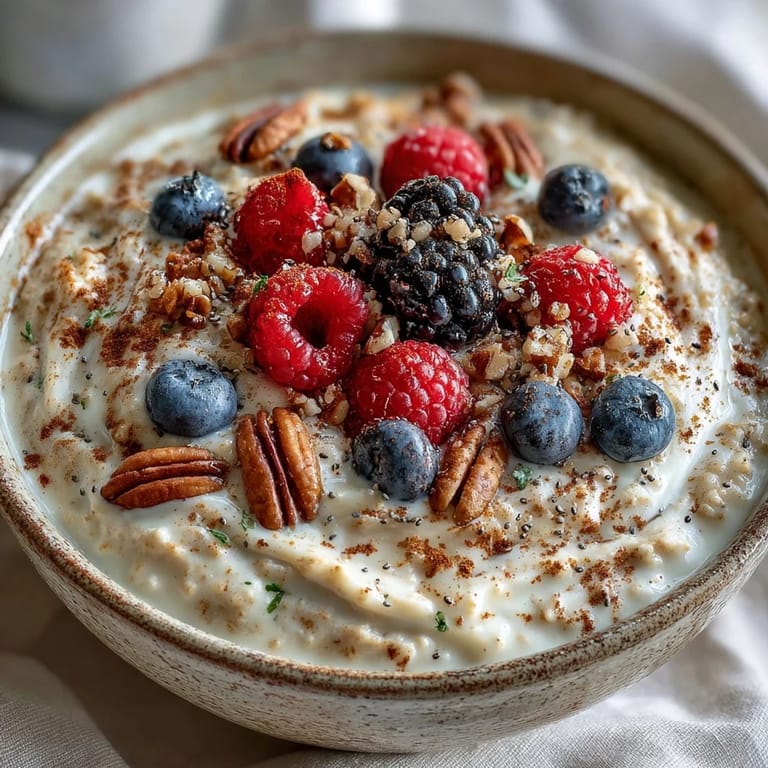
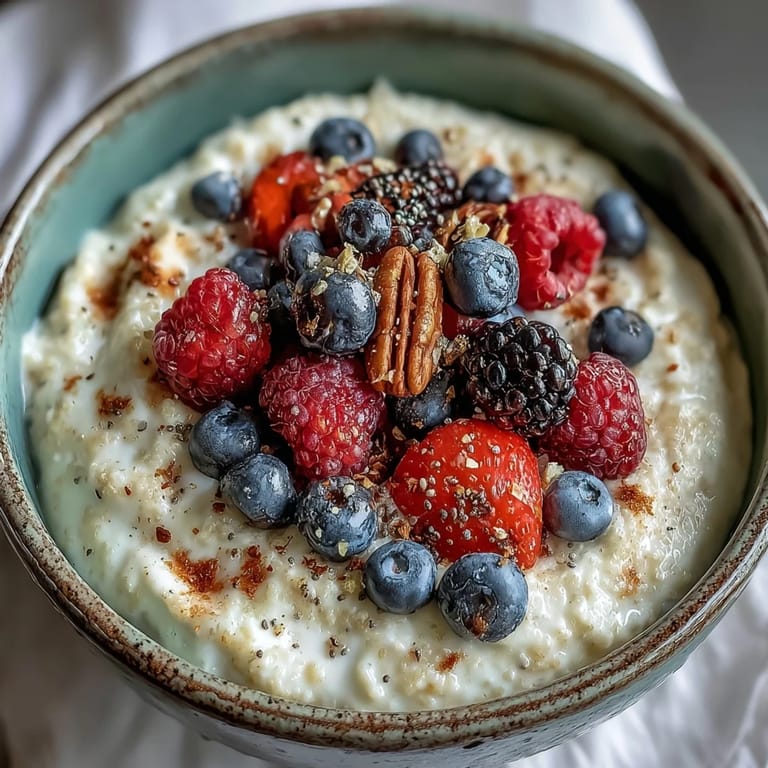
- Mixed berries: Fresh or frozen both work wonderfully; frozen ones are often picked at peak ripeness, so don't feel like you're settling.
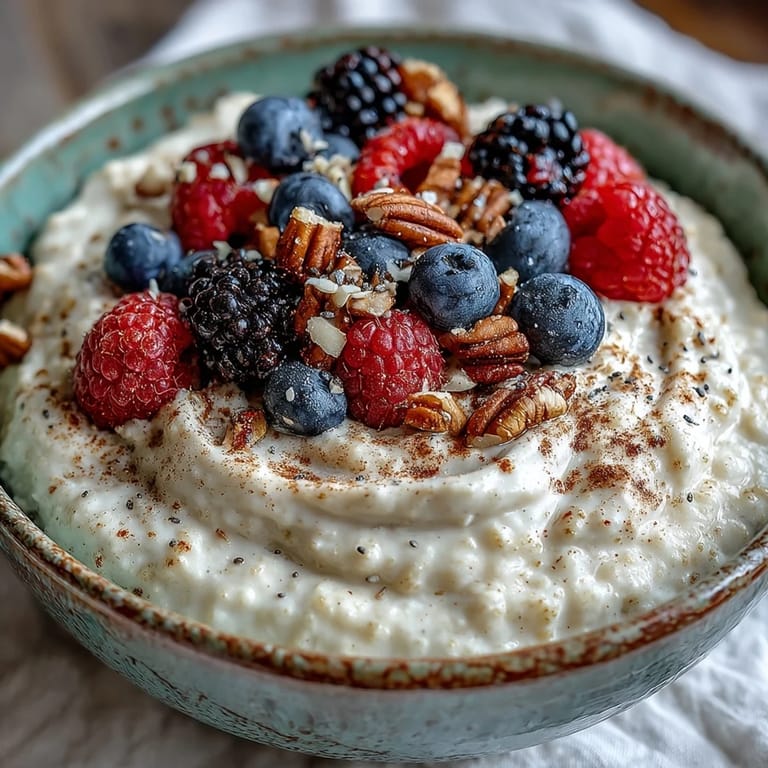
- Nuts and seeds: These add textural contrast and extra nutrition, but they're genuinely optional if you prefer a smoother bowl.
Tired of Takeout? 🥡
Get 10 meals you can make faster than delivery arrives. Seriously.
One email. No spam. Unsubscribe anytime.
Instructions
- Toast and rinse your millet:
- Run the grains under cold water in a fine mesh strainer, letting them tumble through your fingers to catch any debris. This small step prevents any dusty flavor and actually helps them cook more evenly.
- Bring water and millet to a boil:
- Watch for that moment when the water starts bubbling around the edges, then let it reach a rolling boil—this jump-starts the cooking process and helps the grains open up properly.
- Lower the heat and let it simmer:
- Cover your pot and reduce to low heat, then set a timer for 15 minutes but stir every few minutes to prevent sticking. The millet should start looking slightly fluffy and the water should be mostly absorbed.
- Add milk and spices:
- Pour in the milk and all three spices at once, stirring thoroughly so the cinnamon and cardamom dissolve evenly and don't clump in one corner. Cover again and let it cook for another 10 minutes, during which time the magic happens—it transforms into something creamy and dreamy.
- Finish with sweetness:
- Remove from heat and stir in your maple syrup or honey while the porridge is still hot; the warmth helps it blend in without leaving sticky pockets. Taste it here and adjust—you might want more sweetness, more spice, or even a tiny pinch more salt to round everything out.
- Assemble your bowls:
- Spoon the porridge into bowls while it's still warm, then crown each one with a handful of berries and whatever nuts or seeds you're using. The contrast between warm porridge and cool berries is half the pleasure here.
 Save
Save There was this morning when I made this for myself during one of those weeks where everything felt like too much, and something about the ritual of slowly stirring the pot while the spices unfurled their warmth actually shifted my mood. Food isn't always about nourishment—sometimes it's about giving yourself permission to slow down and care a little.
The Secret Behind the Creaminess
The trick that nobody talks about is that millet's natural starch is what creates that silky feeling, not any added cream or cornstarch hiding in the background. When you add the milk in the second half of cooking rather than at the start, you're letting the grain do its work first, breaking down and releasing its starches into the water, which creates a foundation for the milk to build upon. It's why adding a splash of coconut milk at the very end can push it over the edge into genuinely luxurious territory without feeling heavy.
Working With Berries, Fresh or Frozen
I used to think frozen berries were somehow inferior until I realized they're actually picked at their absolute peak ripeness and then frozen immediately, which means their flavor is often more concentrated than fresh berries that have been sitting in a store. If you prefer your berries warm, you can gently heat them in a separate small pan for a minute or two before spooning them onto the porridge, which softens them slightly and lets their juices mingle with the warm grain beneath.
Customizing Your Bowl
This is where millet porridge becomes genuinely personal—the base is just a canvas for whatever you're craving that morning. You could swap the berries for sliced stone fruits in summer, or stewed apple and dried cherries in winter, or even skip fruit altogether and go savory with a drizzle of nut butter and a pinch of sea salt if that's what your body wants. The spices are flexible too; if cardamom isn't your thing, try a small pinch of ginger or a scratch of vanilla instead.
- Add a tablespoon of nut butter or tahini if you want extra richness and staying power.
- A sprinkle of coconut flakes or a drizzle of tahini at the end creates interesting texture play.
- Don't be afraid to make a bigger batch and reheat it gently with a splash of milk throughout the week.
 Save
Save Millet porridge has become my quiet rebellion against rushed mornings, a small act of presence that sets a gentler tone for everything that follows. Make it once, and you'll understand why people have been eating grain porridges like this for thousands of years.
Recipe Questions & Answers
- → What does millet porridge taste like?
Millet porridge has a mild, slightly nutty flavor with a creamy texture similar to cream of wheat but with more whole grain texture. The spices and sweeteners add warmth and depth.
- → Can I make this ahead of time?
Yes, prepare the porridge in bulk and store in the refrigerator for up to 4 days. Reheat with a splash of milk or water to restore creaminess before serving.
- → Is millet gluten-free?
Yes, millet is naturally gluten-free, making this bowl suitable for those with celiac disease or gluten sensitivity. Always verify labels to ensure no cross-contamination.
- → What milk works best?
Dairy milk creates a rich, creamy texture. Plant-based alternatives like oat, almond, or coconut milk work beautifully—coconut milk adds extra richness and subtle sweetness.
- → Can I use frozen berries?
Absolutely. Frozen berries work just as well as fresh. Gently warm them in a small pan before topping to release their juices and enhance flavor.
- → How do I store leftovers?
Keep porridge in an airtight container in the refrigerator for 3-4 days. Add fresh berries and garnishes when reheating rather than storing them together.