 Save
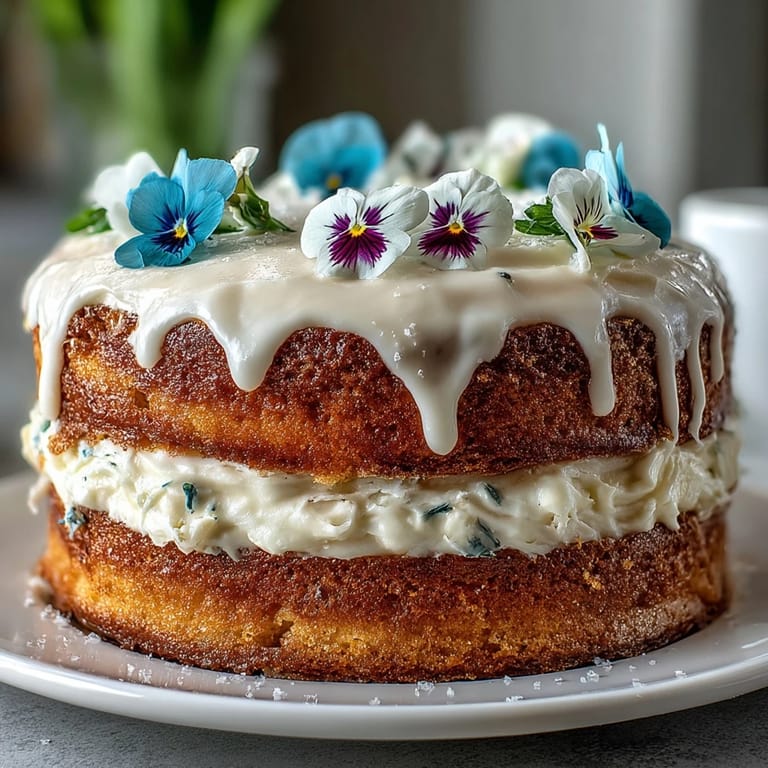
Save My sister called mid-afternoon asking if I could whip up something special for her daughter's birthday tea party—she needed six individual cakes that looked restaurant-worthy but wouldn't stress me out. I'd never made mini layer cakes before, but standing in my kitchen with spring sunshine pouring through the window, I realized this was the perfect moment to try. These delicate vanilla-lemon layers with buttercream and edible flowers came together more easily than I expected, and watching my niece's face light up when she saw them made every careful decoration worth it. There's something magical about turning a simple cake into something that feels like a tiny work of art.
I still remember my hands shaking slightly as I piped the buttercream swirls—not from nervousness, but pure focus. My niece wandered into the kitchen halfway through decorating and gasped when she saw the edible pansies going on top, like I'd just revealed some beautiful secret. She asked if she could help place the flowers, and suddenly we were both laughing over which arrangement looked best. That's when I understood these cakes were never just about impressing people; they were about creating a moment together in the kitchen.
Ingredients
- All-purpose flour (1 1/4 cups): The foundation for a tender crumb—don't overmix once you add it or your layers will turn dense.
- Baking powder (1 teaspoon): Just the right amount of lift without making these feel airy or hollow.
- Salt (1/4 teaspoon): A tiny pinch that makes the vanilla sing without tasting salty.
- Unsalted butter, softened (1/2 cup for cake, 3/4 cup for frosting): Room temperature is non-negotiable—cold butter won't cream properly and you'll feel the difference in every bite.
- Granulated sugar (3/4 cup): Creamed with the butter until pale and fluffy, which aerates the batter.
- Eggs (2 large, room temperature): Warmth helps them incorporate smoothly without creating lumps in the batter.
- Vanilla extract (1 teaspoon for cake, 1 teaspoon for frosting): Pure vanilla makes an enormous difference—skip the imitation and your taste buds will know.
- Lemon zest (1/2 teaspoon): Fresh and bright, this tiny amount perfumes the whole cake without overpowering the vanilla.
- Whole milk (1/2 cup): Also at room temperature so it doesn't shock the batter and mess with the emulsion.
- Powdered sugar (2 cups, sifted): Sifting removes lumps and gives you that smooth, cloud-like frosting texture.
- Milk or heavy cream (1-2 tablespoons): Adjust the consistency to what feels right—you're aiming for spreadable, not stiff.
- Edible flowers (1 cup): Your star ingredient, but sourced only from reputable suppliers who guarantee they're pesticide-free and safe to eat.
Tired of Takeout? 🥡
Get 10 meals you can make faster than delivery arrives. Seriously.
One email. No spam. Unsubscribe anytime.
Instructions
- Get your mise en place ready:
- Preheat the oven to 350°F and line your baking sheet with parchment. Having everything measured and ready before you start mixing makes the whole process feel less hectic and keeps the batter from sitting around losing air.
- Whisk the dry team:
- In a medium bowl, whisk together flour, baking powder, and salt until they're evenly combined. This distributes the leavening so your cakes rise evenly.
- Cream butter and sugar until clouds form:
- Beat them together for about 3 minutes until the mixture looks pale, fluffy, and noticeably lighter in color—this is where you're incorporating tiny air pockets that make tender cake. You'll hear the mixer working harder as the butter breaks down.
- Add eggs with care:
- Crack one egg in, let it fully disappear into the butter mixture with beating, then repeat with the second. Adding them slowly helps everything stay emulsified and smooth.
- Stir in vanilla and lemon zest:
- Mix just until distributed, then pause to appreciate that fresh lemon smell.
- Alternate wet and dry three times:
- Add half the flour mixture, mix gently until just barely combined, then add all the milk, mix again, then add the remaining flour and mix until no streaks remain. This prevents overworking the gluten, which keeps your cake tender.
- Spread and bake:
- Pour the batter onto your prepared sheet and use an offset spatula to spread it into an even layer. Bake for 18-22 minutes until a toothpick comes out clean and the top springs back lightly when touched.
- Cool completely before cutting:
- Let the cake rest on the baking sheet for 5 minutes, then turn it out onto a wire rack. Patience here makes cutting clean circles much easier.
- Cut your cake rounds:
- Using a 2.5-3 inch round cutter, press straight down without twisting (twisting seals the edges and ruins the crumb). You'll get 12 perfect circles from one sheet, with some scraps left over for snacking or cake pops.
- Make buttercream magic:
- Beat softened butter until creamy and light, then gradually sprinkle in sifted powdered sugar while the mixer runs. Once it looks fluffy, add vanilla, a pinch of salt, and 1 tablespoon of milk, beating until you have spreadable clouds.
- Tint if you're feeling festive:
- A drop or two of pastel food coloring mixed in transforms your frosting into something that photographs beautifully without looking artificial.
- Stack and decorate:
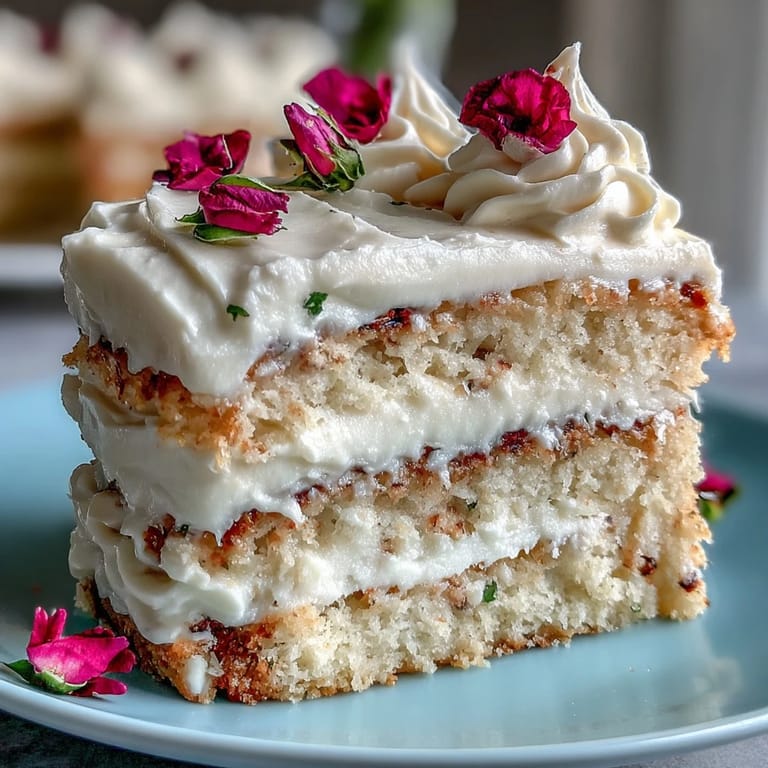
- Place one cake round on your serving surface, spread with a thin layer of buttercream, top with another round, add another thin frosting layer, then pipe or spread buttercream on top and arrange edible flowers artfully. The thin layers between rounds keep everything stable.
- Chill for 15 minutes before serving:
- This sets the frosting and gives the flavors a moment to settle into themselves.
 Save
Save There's a moment when you step back and look at six individual layer cakes lined up on your counter, each one crowned with delicate flowers, and you realize you've actually made something beautiful. My sister texted a photo from the birthday tea party showing all the kids admiring their tiny cakes before digging in, and I knew I'd found a recipe that feels both special and genuinely doable.
Why These Cakes Feel Special
Mini layer cakes have this elegant quality that feels like you spent hours in the kitchen, when really you've just gotten smart with your baking. The individual portions mean no one's fighting over the corner piece, everyone gets their own moment of joy, and there's something deeply satisfying about turning one sheet of cake into six perfect little celebratory desserts. The lemon zest threading through the vanilla keeps things interesting—bright but not aggressive, familiar but unexpected.
The Magic of Edible Flowers
Edible flowers are the difference between a nice buttercream cake and something that stops people mid-conversation. But they're also the most fussy ingredient, so source them carefully from suppliers you trust—farmers markets with reputable vendors, specialty baking shops, or online sources that guarantee pesticide-free growing. Don't arrange them until close to serving, and if anyone in your crowd has plant allergies, double-check what you're using because reactions vary wildly. The pay-off, though, is watching people realize something so pretty is also completely edible.
Tips for Decorating Like You Mean It
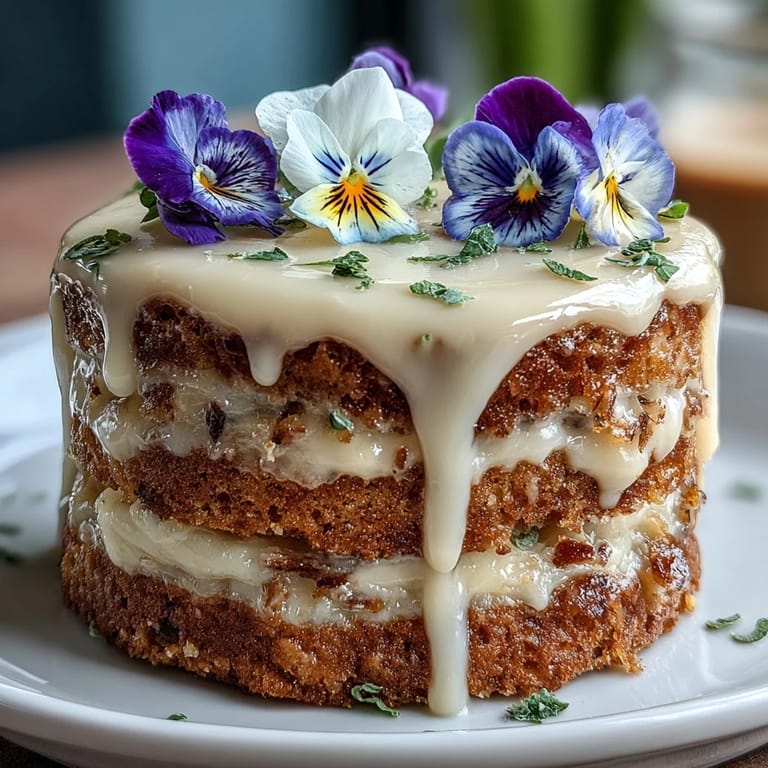
The decorating part is where these cakes become yours—you can keep it minimalist with one perfect flower per cake, or go full garden with a clustered arrangement. Pastel buttercream colors make everything look more sophisticated than bright primaries, and pairing each color with coordinating flowers creates unexpected harmony. The frosting layer between your two cake rounds should be thin enough that you can stack them without sliding, but thick enough that the layers feel intentional and not skimpy.
- Let your frosting get almost slightly stiff before piping or spreading—it's easier to control and holds shapes better.
- Chill the assembled cakes for at least 15 minutes before adding the final decorative touches so they stay stable.
- If a flower petal bruises, step away and grab a fresh one—no one needs to see your repairs.
 Save
Save These mini cakes remind me that celebration doesn't have to be complicated—it just has to be thoughtful and made with care. Serve them on a pretty plate, watch people's faces as they bite into the lemon-vanilla layers, and let those edible flowers do their quiet work of turning an ordinary dessert into something memorable.
Recipe Questions & Answers
- → What flowers can I safely use for decoration?
Use only food-safe edible flowers like violas, pansies, and nasturtiums sourced from reputable suppliers to ensure safety.
- → Can I prepare the buttercream in advance?
Yes, buttercream can be made ahead and stored refrigerated; bring it to room temperature and re-whip before use for best texture.
- → How do I achieve pastel colors in the frosting?
Add a few drops of food-safe pastel gel coloring into the buttercream, mixing until evenly tinted without overpowering flavor.
- → What is the best way to cut uniform mini cake layers?
Use a 2.5 to 3 inch round cookie cutter to cut evenly sized circles from the cooled sheet cake for consistent mini layers.
- → Can these cakes be stored after assembly?
Store the assembled cakes in the refrigerator covered to maintain freshness, and bring to room temperature before serving for optimal taste.