 Save
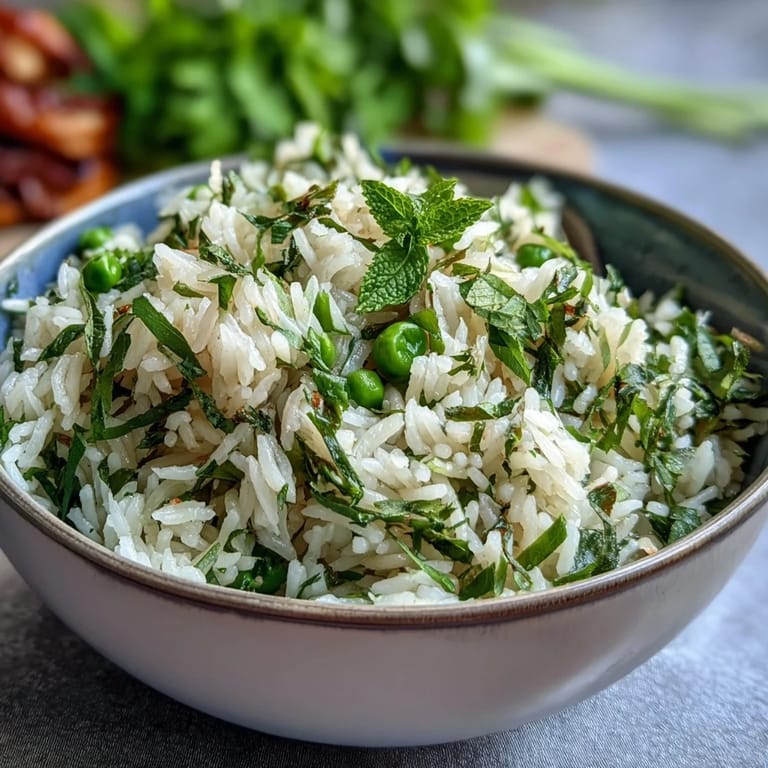
Save My neighbor brought over a bundle of fresh mint from her garden one April afternoon, and I suddenly remembered why spring cooking feels different from the rest of the year. There's something about that bright green herb that makes you want to cook something light and alive. I dug through my pantry for rice and found myself building this pilaf around those tender leaves, and honestly, it's become my go-to when I need something that feels effortless but tastes like you actually tried.
I made this for Easter dinner last year when my sister called asking if I could bring something green, and I watched her take a second helping without even asking what was in it. That's when I knew this wasn't just a side dish—it was the kind of thing people actually want to eat, not something they feel obligated to finish.
Ingredients
- Long-grain white rice (basmati or jasmine): These varieties stay separate and fluffy rather than clumping together, which is essential for a pilaf that doesn't feel heavy or dense.
- Low-sodium vegetable broth: It lets the delicate pea and mint flavors shine through without overwhelming the dish with salt.
- Fresh or frozen spring peas: Fresh ones add a subtle sweetness and pop of texture, but frozen work beautifully too and thaw into the rice without any real difference.
- Yellow onion: Chopped small and softened in butter, it becomes almost translucent and provides a gentle sweetness that anchors the whole dish.
- Unsalted butter: It toasts the rice grains and creates that crucial golden base flavor that makes pilaf taste like pilaf rather than just cooked rice.
- Garlic: Even just two cloves add a whisper of savory depth that keeps the herb flavors from tasting flat.
- Fresh mint leaves: Add them at the very end so they stay vivid and aromatic instead of turning dark and muted.
- Fresh flat-leaf parsley: Optional, but it adds another layer of garden-fresh flavor if you happen to have some around.
- Lemon zest: This is the secret ingredient that ties everything together and prevents the dish from feeling one-dimensional.
- Salt and black pepper: Season thoughtfully because the broth already carries sodium, and you can always add more but can't take it back.
Tired of Takeout? 🥡
Get 10 meals you can make faster than delivery arrives. Seriously.
One email. No spam. Unsubscribe anytime.
Instructions
- Rinse your rice first:
- Run the rice under cold water in a fine mesh strainer, stirring it gently with your fingers until the water runs clear. This removes excess starch so each grain stays separate and distinct rather than becoming creamy or clumped.
- Start with the aromatics:
- Melt butter over medium heat, then add your chopped onion and let it soften for a couple minutes until it turns translucent and smells sweet. The sizzle should be gentle, not aggressive.
- Wake up the garlic:
- Add minced garlic and cook it for just 30 seconds, just until it becomes fragrant—any longer and it'll turn bitter. You'll notice the smell shift into something more complex and savory.
- Toast the rice grains:
- Stir the rinsed rice into the butter and aromatics, coating each grain evenly. Spend about a minute doing this so the rice picks up a subtle nutty flavor that deepens the overall taste.
- Add liquid and bring to a boil:
- Pour in the vegetable broth, add salt and pepper, and bring everything to a rolling boil over medium heat. You should see steam rising and hear a gentle bubbling sound.
- Lower the heat and cover:
- Reduce to low heat, place a lid on your pan, and let it simmer undisturbed for 15 minutes. Resist the urge to peek—lifting the lid lets steam escape and throws off your timing.
- Stir in the peas:
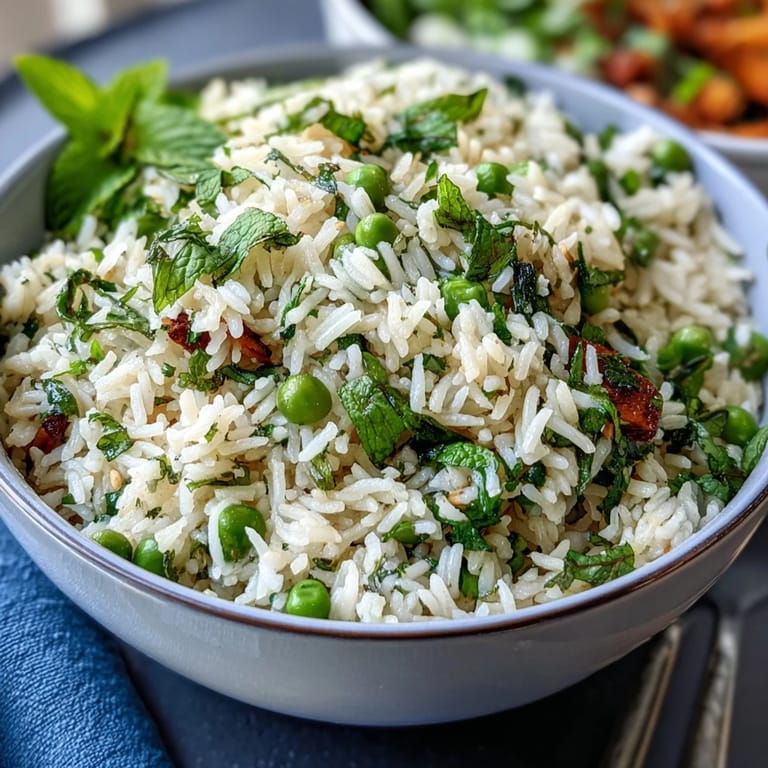
- After 15 minutes, lift the lid carefully, stir in your peas (straight from the freezer is fine), cover again, and cook for 5 more minutes until the rice is tender and the liquid has been absorbed. The peas will thaw into the warm rice without any issue.
- Let it rest:
- Remove from heat and keep the lid on for 5 minutes—this allows the rice to absorb any remaining moisture and become fluffy rather than sticky.
- Fluff and finish:
- Use a fork to gently fluff the rice, then fold in the fresh mint, parsley if using, and lemon zest. This is when the dish comes alive with bright, fresh flavor.
- Taste and adjust:
- Before serving, taste a spoonful and add more salt or pepper if needed. Squeeze a lemon wedge over it to amplify those citrus notes.
 Save
Save My daughter once asked why this rice tasted different from what I usually make, and when I told her it was the mint, she got excited about trying herbs in other dishes. That small moment reminded me that food isn't just about feeding people—it's about introducing them to flavors that expand how they think about cooking.
Why This Works as a Side Dish
The brightness of mint and lemon means this pilaf doesn't compete with your main protein—instead, it complements and enhances it. Served alongside roasted ham, grilled chicken, or even baked salmon, it lightens the plate without making anyone feel like they're eating something austere or diet-like. That balance is what keeps people coming back.
Flavor Combinations Worth Exploring
Once you get comfortable with the base formula, you can play around with additions. Some cooks add a handful of chopped scallions or fresh dill for a different herbal profile, while others swirl in a tablespoon of crème fraîche at the end for richness. I've even made it with vegetable broth infused with a strip of lemon peel for extra citrus depth without adding more zest.
Storage and Reheating Tips
This pilaf stores beautifully in the refrigerator for up to three days, and reheats gently without drying out. Just spread it in a skillet, splash in a little broth or water, cover, and warm over low heat until it comes back to life. The mint flavor will soften slightly after a day, so if you're reheating, consider stirring in a small pinch of fresh mint during reheating to restore that brightness.
- Make it ahead for weeknight dinners and reheat gently with a splash of broth to restore moisture.
- For a vegan version, swap the butter for olive oil or plant-based butter without changing anything else.
- Taste before serving because reheating can mute seasoning, and you might need an extra pinch of salt or squeeze of fresh lemon juice.
 Save
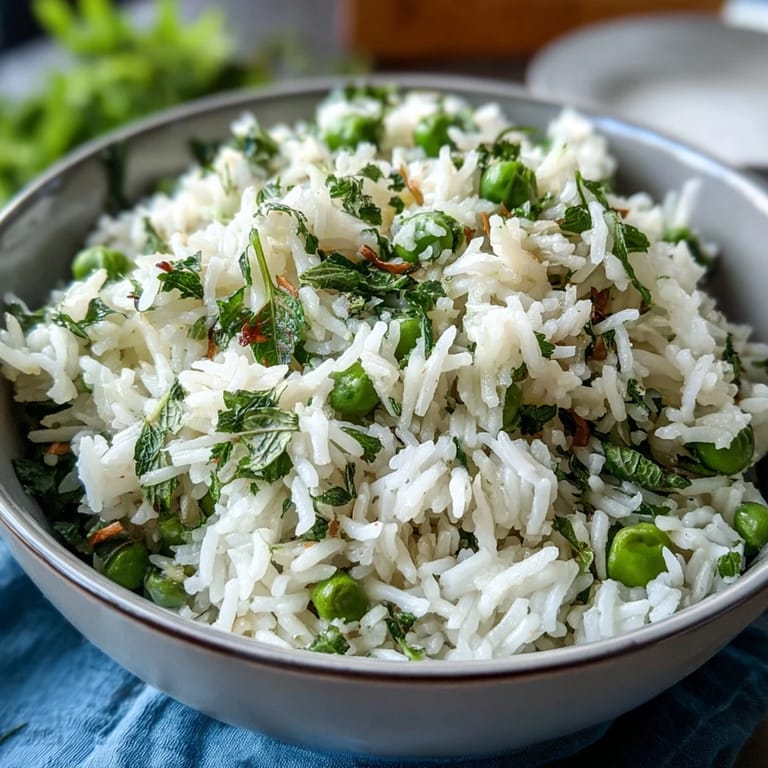
Save This pilaf taught me that the best side dishes are ones that taste so good, people forget they're supposed to be supporting something else. Make it whenever spring feels like it's finally arrived.
Recipe Questions & Answers
- → Can I use frozen peas instead of fresh peas?
Yes, frozen peas can be added directly to the pilaf during the final cooking stage without thawing, retaining their sweetness and texture.
- → What type of rice is best for this pilaf?
Long-grain varieties like basmati or jasmine work best to produce fluffy, separate grains ideal for pilaf.
- → Is it possible to make this dish vegan?
Absolutely, substitute unsalted butter with plant-based butter or olive oil to keep the dish vegan-friendly without sacrificing flavor.
- → How can I enhance the herbal aroma in the pilaf?
Adding freshly chopped parsley alongside mint and finishing with lemon zest brightens the flavors and adds complexity.
- → What are good accompaniments for this pilaf?
This pilaf pairs wonderfully with roasted meats, especially ham, or as a flavorful vegetarian side complement.
- → Can I prepare this pilaf ahead of time?
Yes, it can be made in advance and gently reheated with a splash of broth to restore moisture and texture.