 Save
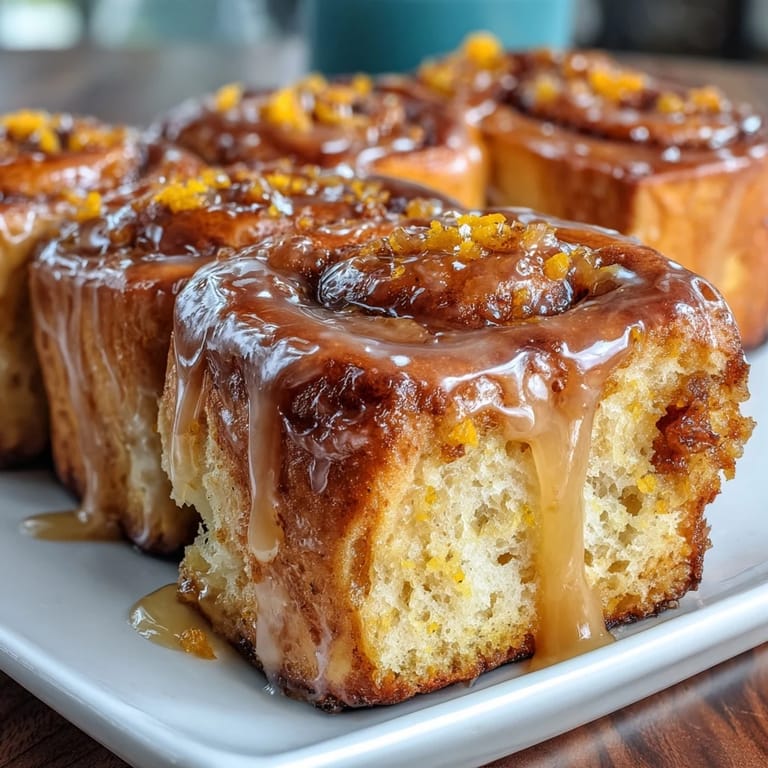
Save My neighbor showed up one Sunday morning with a box of these little rolls, still warm, their edges glistening with bright orange glaze. She'd made them in under 30 minutes using crescent dough from the grocery store, and I remember thinking how impossibly clever that was. The first bite was pure sunshine—buttery, tender, with that unexpected zing of orange zest cutting through the sweetness. I asked for the recipe immediately, and what struck me most was how simple the whole thing actually was. Now they're my go-to when I want something that feels fancy but doesn't demand hours in the kitchen.
I made these for my daughter's book club gathering last spring, and they disappeared so fast I barely got to eat one myself. Everyone kept asking if they were homemade, and when I admitted they were, someone joked that I was cheating using the pre-made dough. But there's no cheating in a kitchen—there's just being smart about your time and nailing the flavor, which these absolutely do.
Ingredients
- 1 can refrigerated crescent roll dough: This is your shortcut to perfectly flaky layers without the fuss of laminating butter into dough yourself.
- 2 tbsp unsalted butter, softened: Soft butter spreads easily and mingles beautifully with the sugar and zest—don't skip the softening step or you'll end up with lumps.
- 1/4 cup granulated sugar: This sweetens the filling while staying light enough that the orange flavor shines through without overwhelming it.
- Zest of 1 large orange: Fresh zest is absolutely non-negotiable here—bottled zest just doesn't have the same vibrant oils that make these rolls sing.
- 1/2 tsp pure vanilla extract: A small amount that deepens the overall flavor and rounds out the sweetness in the most subtle way.
- 1/2 cup powdered sugar for the glaze: This dissolves smoothly into the orange juice without any grittiness, creating that silky drizzle.
- 1–2 tbsp fresh orange juice: Start with 1 tablespoon and add more slowly so your glaze doesn't become too thin and runny.
- 1/2 tsp orange zest for glaze (optional): If you want that extra pop of citrus flavor and a more rustic look, this is worth the extra minute.
Tired of Takeout? 🥡
Get 10 meals you can make faster than delivery arrives. Seriously.
One email. No spam. Unsubscribe anytime.
Instructions
- Heat your oven and prep your pan:
- Preheat to 375°F and either line a baking sheet with parchment paper or lightly grease a mini muffin tin. Having this ready before you touch the dough keeps everything moving smoothly.
- Seal and flatten the crescent dough:
- Unroll the dough onto a clean surface and pinch all those perforations closed so you have one seamless rectangle. This keeps the filling from sneaking out during rolling and baking.
- Make your orange-butter mixture:
- In a small bowl, mix softened butter, sugar, orange zest, and vanilla until everything is evenly combined and looks like wet sand. Take your time here so the zest is distributed throughout, not clumped in one spot.
- Spread the filling:
- Evenly distribute the orange mixture over the entire dough rectangle using the back of a spoon or spatula. You want every piece of the final roll to taste the same from edge to center.
- Roll and slice:
- Starting from the longer side, roll the dough tightly into a log, then slice into 12 equal pieces using a sharp knife. A gentle sawing motion works better than trying to cut straight down, which can squeeze and distort the rolls.
- Arrange and bake:
- Place the rolls cut-side up on your prepared baking sheet or muffin tin and slide into the oven for 13–15 minutes until golden brown. Watch them around the 12-minute mark so you don't miss that perfect golden moment.
- Make the glaze while they bake:
- Whisk powdered sugar and orange juice together, adding the juice gradually until you reach a pourable consistency. Stir in extra zest if you want that rustic fleck of citrus throughout the glaze.
- Cool and glaze:
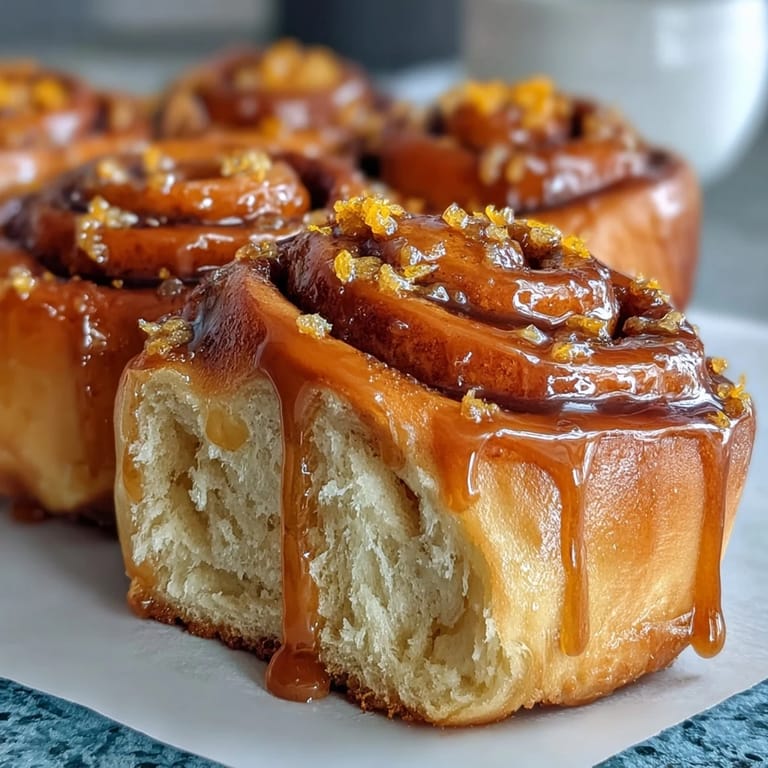
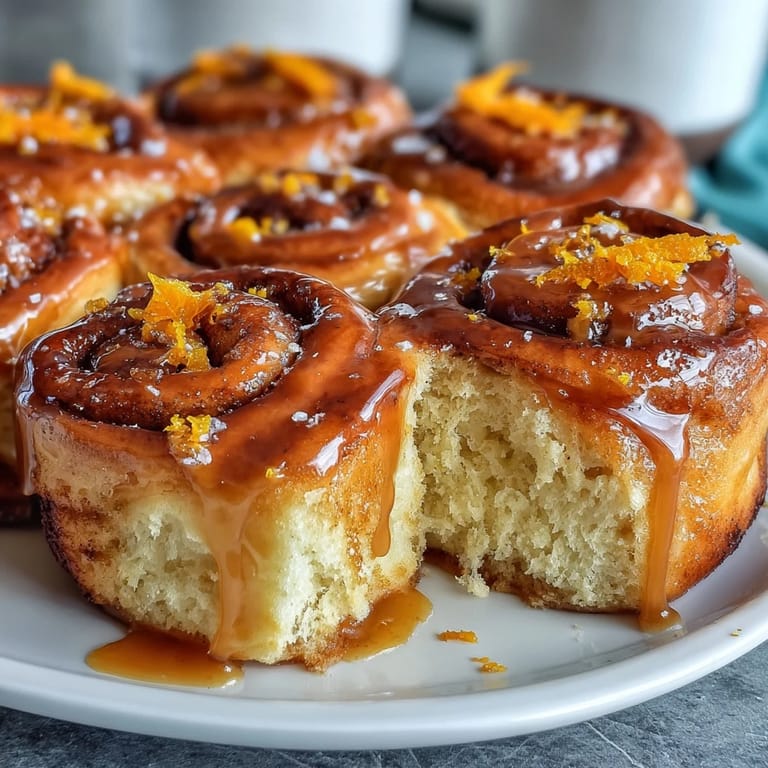
- Let the rolls rest for 5 minutes when they come out of the oven, then drizzle generously with your orange glaze. The slight warmth of the rolls helps the glaze flow and cling beautifully.
 Save
Save There was a morning last fall when my kitchen filled with this honeyed citrus aroma while my teenager was studying for exams, and they looked up from their books with this immediate smile. The smell alone seemed to ease some of their stress, and they ate two rolls while we chatted about their day. Food doesn't always need to fix things, but sometimes the right warm pastry at the right moment just makes everything feel a little more bearable.
Why Orange Zest Matters
The oils in fresh orange zest are where all the bright, citrusy life lives in this recipe. When you zest an orange, you're capturing something that powdered or bottled zest can never quite replicate—that moment when the fruit's essential oils burst into the air. A microplane grater is your best tool here because it catches those oils without bruising them, keeping every bit of that sunshine intact. If you only have a box grater, just be extra gentle and you'll still get wonderful results.
The Art of Rolling and Slicing
This is honestly the one step where people second-guess themselves, but it's actually forgiving. The key is rolling tightly enough that the spiral layers stay distinct, but not so tight that you're fighting the dough. When you slice, imagine you're being kind to the roll—a gentle sawing motion with a sharp knife beats any aggressive straight-down chop. I learned this after squishing my first batch, and the texture difference between gently sliced and squeezed rolls is notable.
Making These Your Own
Once you've made these once and feel confident with the basic method, the filling becomes your playground. I've tried different variations depending on what's in my kitchen, and they've all been delicious in their own way. The beauty of working with a simple base is that small tweaks create big flavor shifts without compromising the actual technique.
- Sprinkle chopped pecans or walnuts over the filling before rolling for a gentle crunch that plays nicely with the soft pastry.
- Add a few drops of orange extract to the glaze if you want an even more concentrated citrus punch that lingers longer.
- Store any leftovers in an airtight container where they'll stay fresh and still taste genuinely good for up to 2 days.
 Save
Save These rolls have become my answer to the question of what to bake when I want something that feels abundant but doesn't take all day. They're proof that convenience ingredients in the right hands can taste genuinely special.
Recipe Questions & Answers
- → What type of dough is best for these rolls?
Refrigerated crescent roll dough works well, providing a soft and flaky texture while saving preparation time.
- → How can I enhance the orange flavor in the glaze?
Adding a few drops of orange extract or extra orange zest to the glaze intensifies its citrus brightness.
- → Is it necessary to seal the dough perforations?
Yes, pinching the perforations seals the dough into one piece, preventing the filling from leaking during baking.
- → Can I add nuts to the filling?
Sprinkling chopped pecans or walnuts over the filling before rolling adds a pleasant nutty crunch.
- → What is the ideal baking temperature and time?
Bake at 375°F (190°C) for 13 to 15 minutes until rolls are golden brown and cooked through.